Cassava Karioka: Easy Filipino Caramelized Cassava Balls for Merienda
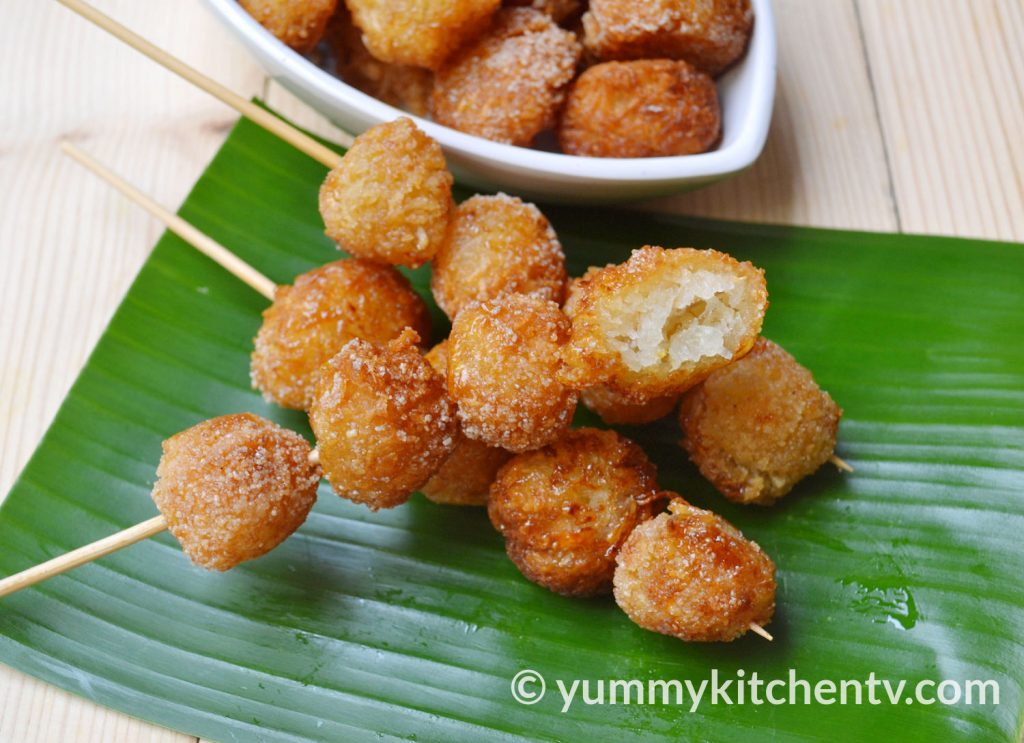
If you are looking for an easy Filipino snack that is crispy, chewy, sweet, and wonderfully satisfying, Cassava Karioka is a recipe worth making. Also called Karioka Kamoteng Kahoy, this simple merienda turns grated cassava and brown sugar into bite-sized golden balls with a delicious caramelized coating.


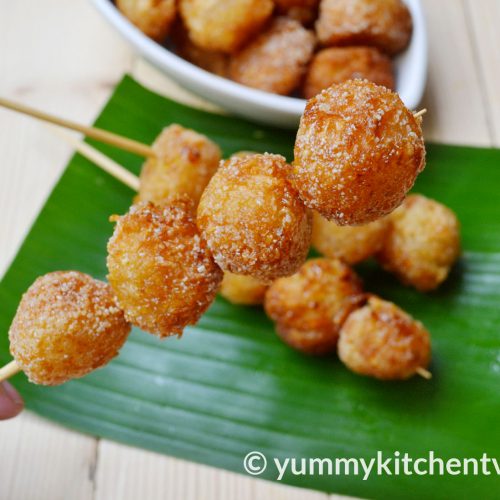
Cassava Karioka (Karioka Kamoteng Kahoy)
Equipment
- Box grater
- Mixing bowl
- Strainer
- Frying pan
- Spoon or scoop
- Tongs or slotted spoon
Ingredients
- 2 cups fresh grated cassava kamoteng kahoy
- 3/4 cup brown sugar
- Oil for frying
Instructions
- Wash and peel the cassava thoroughly. Grate the cassava carefully.
- Squeeze the grated cassava well to remove as much excess liquid as possible. Discard the juice.
- Add the brown sugar to the drained grated cassava. Mix thoroughly until evenly combined.
- Scoop about 1 teaspoon of the mixture and roll it into a small, compact ball. Repeat with the remaining mixture.
- Heat enough oil in a pan over low to medium-low heat.
- Carefully add the cassava balls and fry gently, turning occasionally, until golden brown and cooked through.
- Remove from the oil and drain well using a strainer or paper towels.
- Serve warm. For a classic street-food presentation, thread the cassava balls onto bamboo skewers.
Notes
- Squeeze the cassava well. Removing excess liquid makes the mixture easier to shape and helps prevent excessive oil splattering.
- Keep the cassava balls small and evenly sized so they cook at the same rate.
- Fry over low to medium-low heat. High heat can caramelize or burn the sugar before the cassava is fully cooked.
- Do not overcrowd the pan. Fry in batches when necessary.
- Freshly fried Cassava Karioka is best served warm.
- Always properly peel and thoroughly cook cassava before eating.
Nutrition
With only a few ingredients, Cassava Karioka is budget-friendly and perfect for sharing. The outside becomes lightly crisp while the cassava inside stays pleasantly chewy. As the sugar melts during frying, it clings to the cassava and creates a glossy, sweet coating that makes every bite irresistible.
Whether you grew up seeing these treats at a neighborhood street-food stall or are discovering them for the first time, this recipe is a fun way to enjoy cassava. Prepare a batch for afternoon merienda, family gatherings, or whenever you want something sweet and homemade.
It is also a wonderful recipe for anyone who wants to make the most of simple local ingredients. Cassava is filling, naturally starchy, and versatile, so turning it into a sweet snack is both practical and delicious. If you have fresh cassava available from the market, this is an excellent recipe to keep in your merienda rotation. The preparation may be simple, but the final result feels special, especially when served warm and freshly fried. It is the kind of homemade treat that invites everyone to gather around the table for another piece.
Watch how to cook Cassava Karioka
What Is Cassava Karioka?

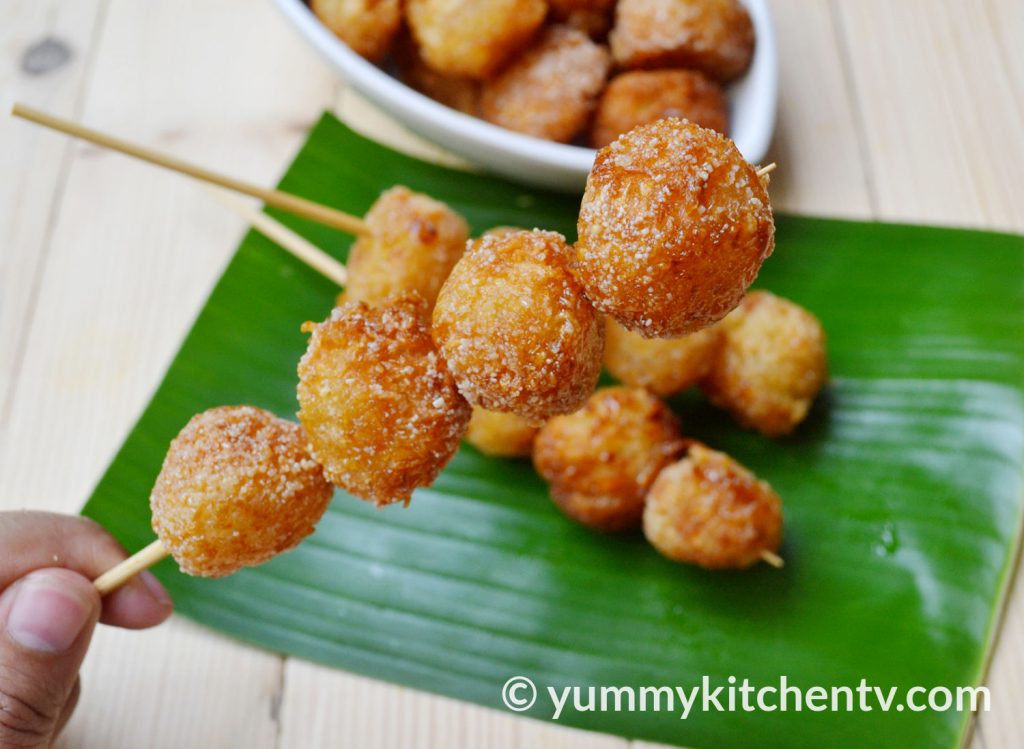
Cassava Karioka is a Filipino snack made from grated cassava that is shaped into small balls, coated with sugar, and fried until golden and caramelized. It is related to the familiar Filipino street-food favorites often enjoyed as merienda, including banana cue, camote cue, turon, and maruya.
Cassava, also known as kamoteng kahoy, is a starchy root vegetable used in many dishes and desserts. For this recipe, fresh cassava is grated and squeezed thoroughly to remove excess liquid before it is shaped and cooked.
The sugar caramelizes in the hot oil, giving the balls their characteristic sweet exterior. The finished snack is best enjoyed warm, when the coating is fragrant and slightly crisp.
Why You’ll Love This Recipe
The biggest reason to love Cassava Karioka is its simplicity. You do not need a long ingredient list, special equipment, or complicated techniques. Fresh cassava and sugar do most of the work.
It is also an affordable Filipino merienda. A couple of cups of cassava can make enough bite-sized treats for the whole family. You can serve them plain, thread them onto bamboo skewers, or arrange them on a platter for easy snacking.
The texture is another highlight. Properly cooked cassava gives the center a soft, chewy bite, while the caramelized sugar adds a lightly crunchy layer. The contrast makes it difficult to stop at just one.
Most importantly, homemade karioka brings that comforting street-food feeling right into your kitchen.
Ingredients
You only need three basic ingredients:
- 2 cups fresh grated cassava, or kamoteng kahoy
- 3/4 cup brown sugar
- Oil, enough for frying
Fresh cassava works best because it gives the balls a pleasant texture. Brown sugar provides a deeper caramel flavor and attractive golden color. Use a neutral cooking oil suitable for frying.
Step-by-Step Method
1. Prepare the cassava.
Wash the cassava thoroughly, then peel away the thick brown skin. Rinse it again and grate the white flesh carefully using a box grater or similar shredder. Take your time and protect your fingertips, especially as you reach the smaller end of the root.
2. Remove the excess liquid.
Place the grated cassava in a bowl or strainer and squeeze it firmly to separate the juice. Removing as much liquid as possible is important because overly wet cassava can make the balls difficult to shape and may cause excessive splattering during frying.
Discard the liquid and keep the dry grated cassava.
3. Add the sugar.
Divide the brown sugar according to the amount of cassava you have, then combine it with the dried grated cassava. Mix thoroughly until the sugar is evenly distributed. Clean hands work well for mixing, but wash them carefully first and use food-safe gloves if preferred.
4. Shape the balls.
Scoop about a teaspoon of the mixture at a time and roll it between your palms to form a small, compact ball. Keep the size consistent so the balls cook evenly. Continue until all the mixture has been shaped.
5. Heat the oil.
Pour enough oil into a pan to allow the cassava balls to cook properly. Heat over low to medium-low heat. The oil should be hot before adding the balls, but it should not be smoking.
6. Fry until golden.
Carefully add the cassava balls to the hot oil. Fry gently, turning or stirring them as needed so they brown evenly. Keep the heat controlled. High heat can burn the sugar on the outside before the cassava inside is properly cooked.
7. Drain and serve.
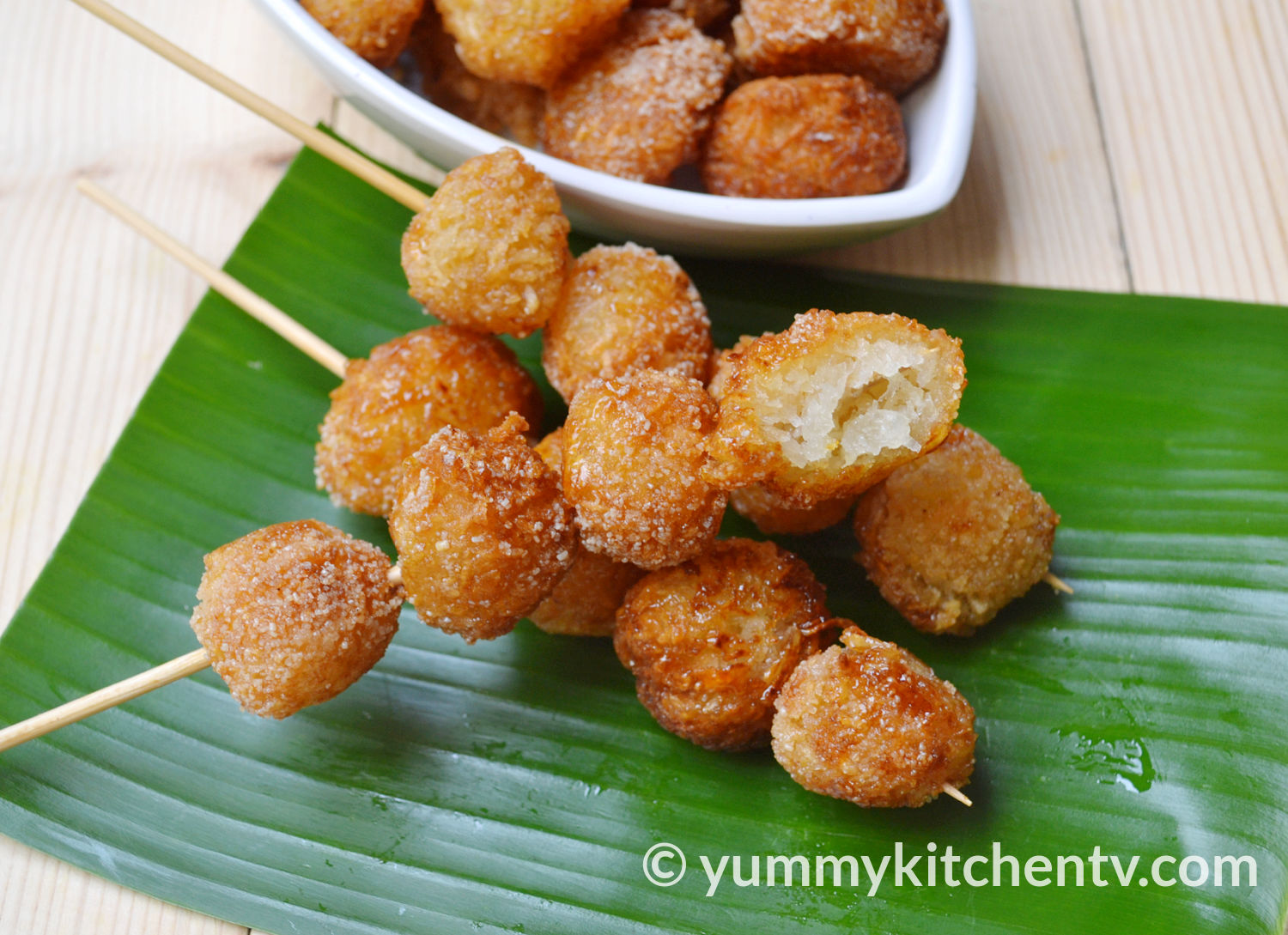
Once the balls are golden brown and cooked through, remove them from the oil and drain on a strainer or a plate lined with paper towels. Serve warm. For a classic street-food presentation, place several pieces on a bamboo skewer.

Tips and Variations
The key to good Cassava Karioka is controlling moisture and heat. Squeeze the grated cassava thoroughly, but do not worry if it still feels slightly moist. It simply needs to be dry enough to hold together when shaped.
Keep the balls relatively small. Larger pieces take longer to cook and may brown too quickly on the outside. Small, evenly sized balls are easier to cook through.
Always fry over low to medium-low heat. Because the recipe contains sugar, the coating can darken quickly. Gentle frying gives the cassava time to cook while allowing the sugar to caramelize gradually.
Do not overcrowd the pan. Too many balls at once can lower the oil temperature and make frying uneven. Work in batches if necessary.
For a different flavor, you can experiment with adding a tiny pinch of salt to the mixture. Salt can balance the sweetness and make the caramel flavor stand out. You may also serve the finished balls with extra caramel syrup if you prefer a sweeter snack.
If you want a more traditional presentation, thread three or four pieces onto bamboo skewers after frying. This makes them convenient to serve and gives them a fun street-food appearance.
Storage and Reheating
Cassava Karioka is best eaten fresh and warm, especially while the caramelized coating still has a pleasant crispness. If you have leftovers, allow them to cool completely before placing them in an airtight container.
Store them in the refrigerator and enjoy within a couple of days for the best quality. To reheat, use a dry pan over low heat or a toaster oven until warmed through. Avoid adding oil because the existing sugar coating can become overly greasy.
Keep in mind that refrigerated karioka will not have exactly the same crisp texture as freshly fried pieces. Reheating gently can help bring back some of the pleasant chewiness and warmth.
Serving Suggestions
Serve Cassava Karioka as an afternoon merienda with coffee, hot chocolate, tea, or a cold drink. They are also a fun addition to Filipino snack tables, birthday gatherings, and casual family celebrations.
For parties, arrange the golden cassava balls on a platter or place them on bamboo skewers. Their bite-sized shape makes them easy to pick up and share.
If you are preparing several Filipino merienda favorites, pair karioka with banana cue, camote cue, turon, or maruya. A colorful snack spread makes a simple afternoon feel extra special.

Conclusion
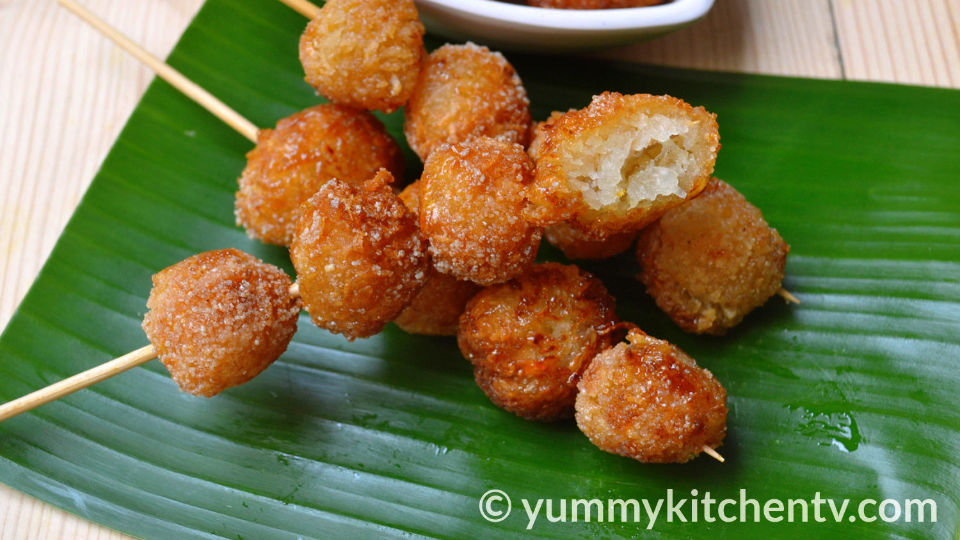
Cassava Karioka proves that delicious Filipino merienda does not have to be complicated. With fresh grated cassava, brown sugar, and cooking oil, you can create a batch of golden, chewy, caramelized treats that everyone will want to reach for.
The most important steps are simple: grate the cassava carefully, squeeze out the excess liquid, shape small balls, and fry them gently until golden brown. Keep the heat controlled so the sugar caramelizes without burning, and you will be rewarded with a wonderfully satisfying snack.
Make these Cassava Karioka Balls for your next merienda and enjoy a homemade taste of Filipino street-food goodness. Just be sure the cassava is properly prepared and thoroughly cooked before eating. One batch may disappear faster than you expect, so you might want to make extra!